Learning Outcomes:
i. Describe the key components of a synapse, including the presynaptic terminal, synaptic cleft, and postsynaptic terminal.
ii. Explain the role of each component in the process of nerve impulse transmission.
iii. Understand the importance of the synapse in facilitating communication between neurons.
Introduction:
Imagine a bustling city square, where information flows from one person to another through whispers, gestures, and shared glances. In the bustling metropolis of the nervous system, this communication happens at a microscopic level, within specialized junctions called synapses. In this lesson, we'll step into this fascinating crossroads, exploring the intricate structure of the synapse and witnessing the silent dance of neurotransmitters that bridges the gap between neurons, carrying the whispers of information that keep our thoughts, actions, and sensations alive.
i. The Presynaptic Terminal: The Sender's Platform
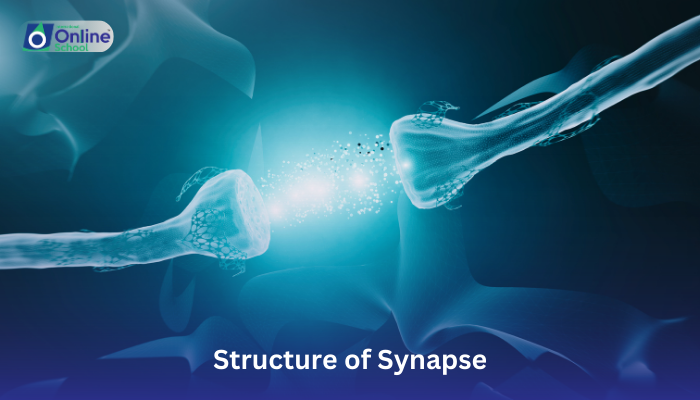
The journey begins at the presynaptic terminal, the neuron's sending end. Imagine this as a tiny stage, filled with tiny packages called synaptic vesicles. These vesicles hold the chemical messengers, the neurotransmitters, ready to be released when the right signal arrives. Think of them as envelopes holding important messages, waiting to be sent to their destination.
ii. The Synaptic Cleft: A Tiny Grand Canyon
Across a narrow gap, like a miniature Grand Canyon, lies the postsynaptic terminal, the receiving end of the next neuron. This gap, called the synaptic cleft, is where the electrical whisper of the action potential transforms into a chemical message. Imagine this gap as a bridge that needs to be crossed for the information to reach its destination.
iii. Neurotransmitters: The Chemical Messengers Cross the Bridge
When an action potential reaches the presynaptic terminal, it triggers the release of neurotransmitters from the vesicles. These tiny molecules, like acrobats leaping across the synaptic cleft, bind to specific receptors on the postsynaptic terminal. Think of them as keys fitting into locks, unlocking the next neuron's potential to respond.
iv. The Postsynaptic Terminal: A Stage of Action
Once the neurotransmitters bind to their receptors, they trigger a change in the electrical state of the postsynaptic terminal. This change, if strong enough, can trigger a new action potential in the receiving neuron, sending the signal forward in its own journey. Imagine this stage as a theater, where the received message is amplified and transformed into a new performance, ready to be shared with the next neuron in the chain.
v. The Symphony of Communication: A Web of Connections
Synapses are not isolated; they form complex networks, allowing information to flow in multiple directions and across different brain regions. This intricate web of connections enables us to perceive the world, learn, remember, and experience the full spectrum of emotions and actions.
The synapse is more than just a junction; it's a dance floor where electrical whispers become chemical messages, where information leaps across tiny canyons, and where the intricate choreography of neurons creates the symphony of thought, movement, and sensation that defines our existence. By understanding the structure and function of the synapse, we gain a deeper appreciation for the remarkable complexity and efficiency of the nervous system, the invisible conductor of our lives' every performance.
